This article is not medical advice. It’s practical guidance to help people apply their care plans more sustainably.

How to Fit Your Doctor’s Diabetes Guidelines Into Real Life (Without Burning Out).
Many people with diabetes struggle to follow care guidelines in everyday life — especially with busy schedules, stress, or irregular work hours.
If you live with diabetes, you’ve probably heard some version of this advice:
Eat better.
Be consistent.
Move more.
Sleep well.
Monitor your blood sugar.
Reduce stress.
On paper, it all makes sense.
In real life?
Not always.
Especially if you’re working long hours, caring for others, managing tight finances, rotating shifts, or just trying to get through the week with your energy intact.
Many people know what they should do, the challenge is fitting it into unpredictable schedules, fatigue, and real life.
Free Resource:
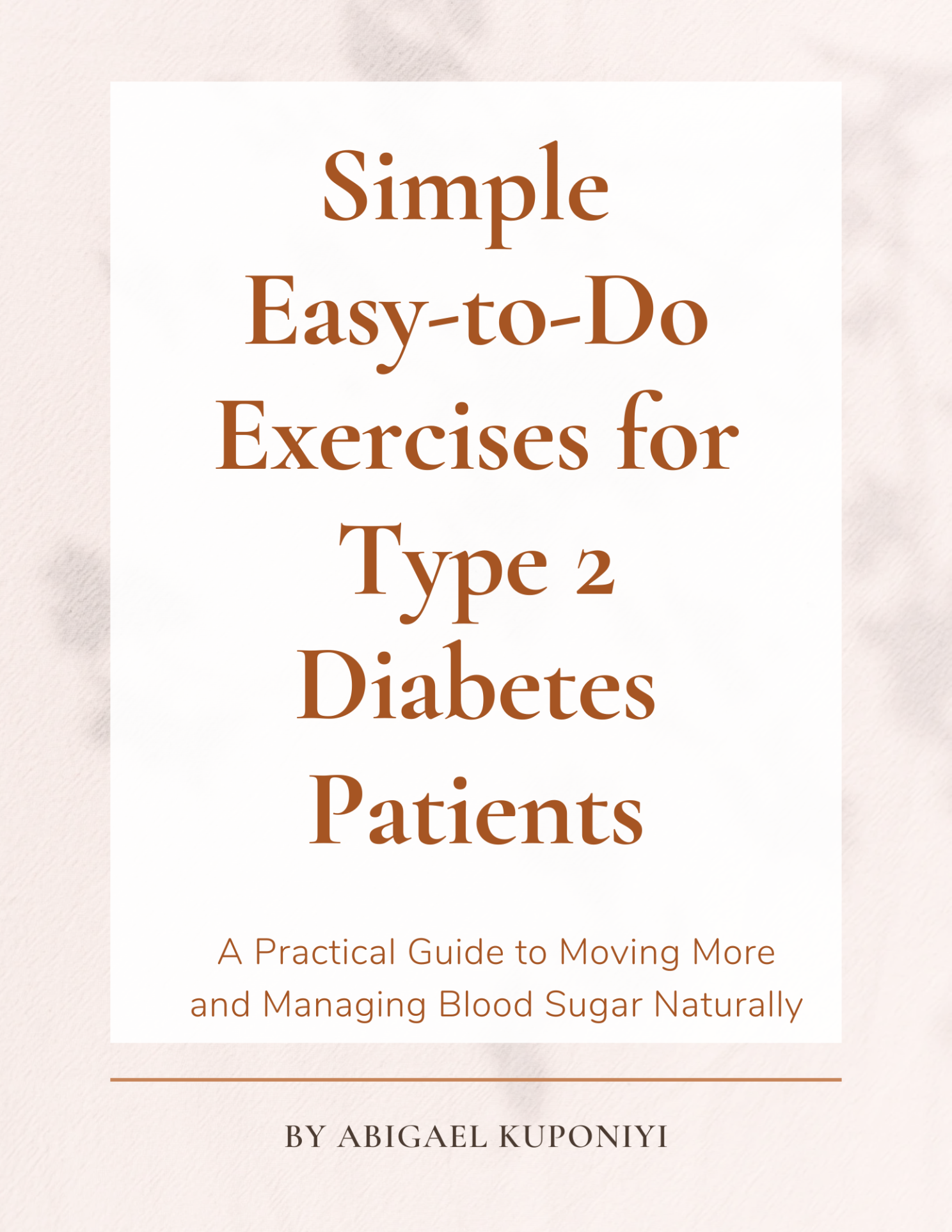
I created a simple, evidence-based guide with practical exercises and routines designed for people managing diabetes alongside busy or disrupted lives.
👉 Download the free eBook here
This article is about making diabetes care work in real life — not in an ideal schedule, perfect routine, or unrealistic health bubble.
Because guidelines don’t fail.
Life just gets complicated.
First: You’re Not “Doing It Wrong”
Let’s clear this up early.
Struggling to follow diabetes advice does not mean:
- you lack discipline
-
you’re unmotivated
- you’re failing your health
Most diabetes recommendations quietly assume:
- predictable days
- regular meal times
- good sleep
- money flexibility
- time for appointments
- low stress
Many people don’t have that.
This isn’t a personal failure — and it can be bridged.
The Goal Is Not Perfection. It’s Prevention of Progression
A mentor of mine once said:
“If you have diabetes, be a healthy one.”
What that really means is this:
- complications are not inevitable
- small, steady habits matter
- glucose stability counts — even without perfection
- doing something consistently beats doing everything occasionally
You don’t need to overhaul your life.
You need fewer rules that actually fit.
5 Ways to Make Diabetes Guidelines Work in Real Life
1. Replace “Perfect Plans” With One Anchor Habit
Instead of trying to fix everything at once, choose one daily anchor:
- a consistent eating window
- a 10–15 minute walk after your main meal
- checking glucose at the same time each day
- a short wind-down routine before sleep
Anchor habits create stability even when everything else shifts.
2. Focus on Timing — Not Just “Good” or “Bad” Foods
Most people are told what to eat.
Fewer are told when it matters.
Eating late at night, grazing constantly, or skipping meals under stress can raise glucose — even with “healthy” foods.
Small shifts help:
- slightly earlier last meal when possible
- fewer late-night snacks
- more structure on workdays, more flexibility on off days
This isn’t restriction.
It’s rhythm.
3. Use Glucose Data as Information — Not Judgment
If you use a glucose monitor, the data is not a scorecard.
Instead of asking:
❌ “Why did I mess up?”
Try:
“What can this teach me about my body?”
Look for patterns, not perfection:
- sleep vs glucose
- stress vs cravings
- meal timing vs energy
Data is a guide — not a verdict.
4. Adapt Guidelines to Your Schedule, Not the Other Way Around
If your life includes:
- night shifts
- rotating work hours
- caregiving
- multiple jobs
- unpredictable days
Then your diabetes care needs flexibility.
That might mean:
- consistent eating windows that shift with work
- movement broken into short bursts
- simpler meals, not elaborate prep
- prioritising sleep opportunities, not ideals
Health that doesn’t fit your life won’t last.
5. Remember: Small Wins Compound
You don’t need to “fix” diabetes in a month.
What helps most over time:
- fewer extreme glucose swings
- better sleep when possible
- less all-day grazing
- reduced stress around food
- routines you can repeat
Complications are influenced by patterns over years, not one imperfect week.
You’re Allowed to Build a Version of Care That Fits You
Diabetes management should not feel like a full-time job.
It should feel:
- humane
- realistic
- adaptable
- supportive
If advice only works for people with perfect schedules, unlimited time, and zero stress — it needs translation.
That translation is where real progress happens.
If you’re looking for simple tools that make consistency easier — especially during busy or stressful periods — these resources may help.
Final Thought
You don’t need to be a “perfect” diabetic.
You need to be a supported one — with tools that fit your real life.
That’s how prevention works.
That’s how complications are reduced.
And that’s how care becomes sustainable.
If you prefer watching instead of reading, I break this down step-by-step in my Diabetes & Real Life video playlist.
This article is informed by evidence-based diabetes guidelines and my background in clinical exercise physiology and diabetes research.