Why this matters:
Many diabetes complications aren’t caused by neglect — but by delayed action after early warning signs. This post explains why “watching and waiting” can be risky, especially for older adults living alone.
When Diabetes Care Becomes Personal — Why “You Look Fine” Can Delay Treatment
There’s a version of diabetes care we see in clinics, guidelines, and textbooks.
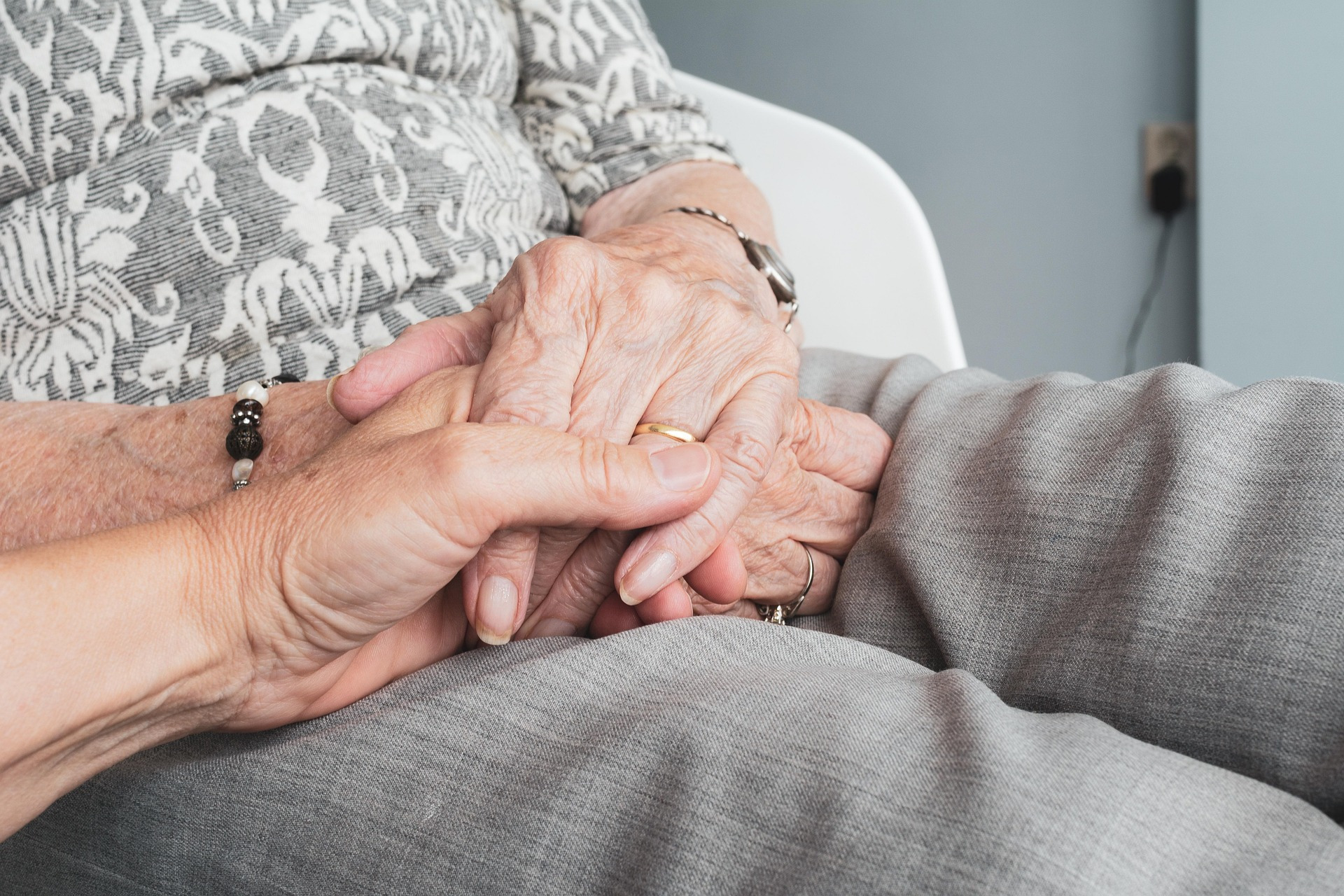
And then there’s the version that happens inside families.
This post is for you if:
- You’re living with diabetes or prediabetes
- You’re older and managing health mostly on your own
- Or you’re exhausted from being told “you look fine” while your numbers say otherwise
When Numbers Don’t Look Urgent — But They Are
High blood sugar doesn’t always announce itself loudly.
You can feel okay. You can sound okay. You can even convince others you’re okay.
But internally, elevated glucose levels quietly stress blood vessels, the brain, the heart, and the kidneys, especially as we age.
This is why diabetes care isn’t about panic. It’s about timing.
Delaying care because symptoms don’t seem dramatic is one of the most common — and preventable — pathways to complications.
“Let’s Just Watch It” Is Not a Care Plan
Monitoring alone is not treatment.
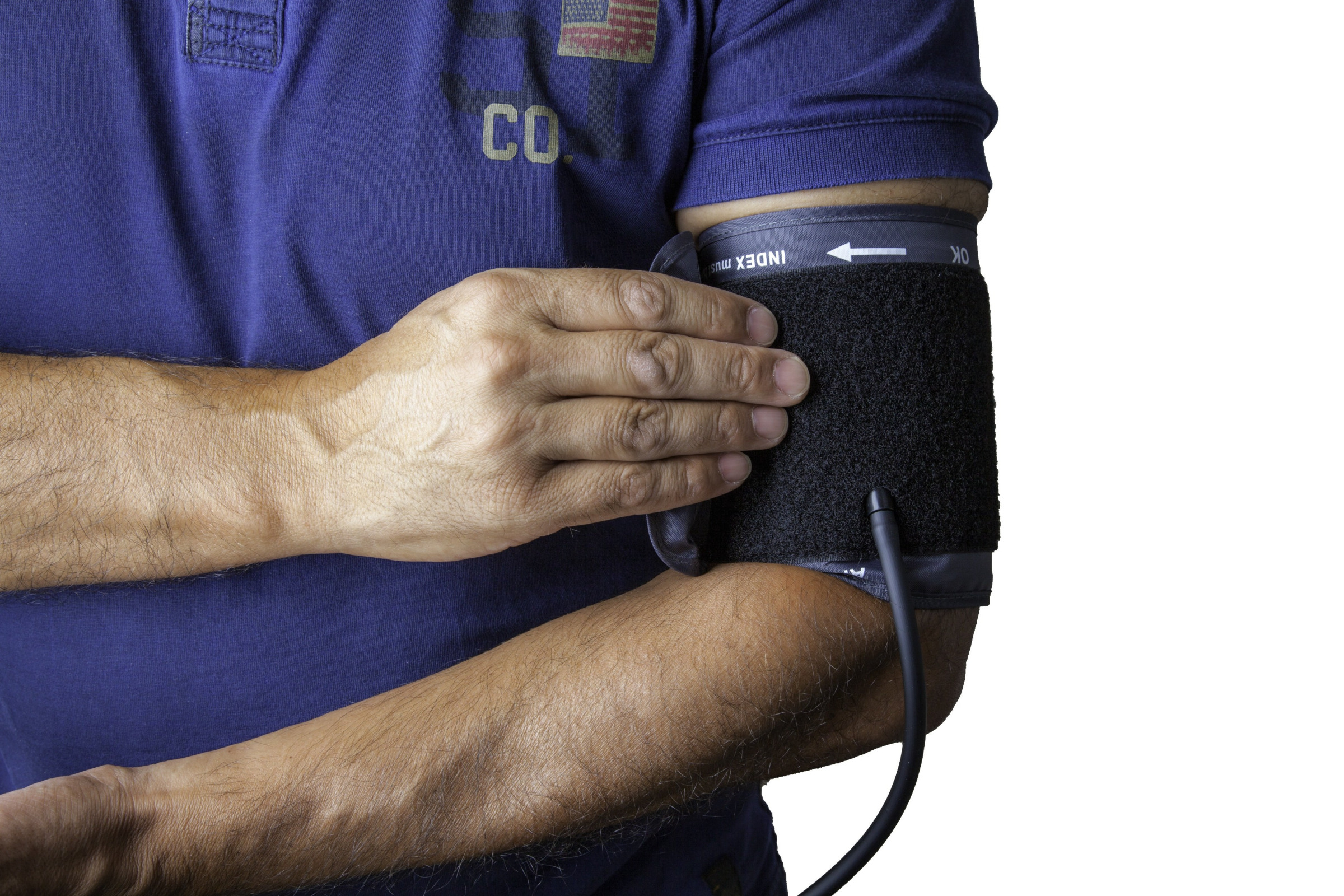
Checking numbers without medical interpretation can create false reassurance:
- A single lower reading doesn’t erase weeks or months of higher levels
- Home readings don’t show long-term glucose exposure
- Blood sugar is only one part of the picture
Good diabetes care looks at the whole person, not just a single number:
- Blood pressure
- Cardiovascular risk
- Sleep
- Medications
- Daily routines
- Support systems
If You Are Living Alone With Diabetes
You deserve more than “you seem fine.”
Here are evidence-based steps that help without burnout:
- See a clinician early when high readings are detected
- Ask about HbA1c to understand your 3‑month average
- Review blood pressure, medications, and other conditions together
- Prioritise sleep — disrupted sleep worsens glucose control
- Don’t self-blame. Diabetes is not a moral failure
You don’t need perfection. You need support and structure.
A Gentle Reminder
Family members often want to protect us from fear. But reassurance should never replace care.
If you’ve been told you’re “overreacting” — you’re not. Listening early is how complications are prevented.
In diabetes care, no one should be left to manage alone.
If this post resonates, you’re not alone. Practical, evidence‑based care can fit real life — without guilt or burnout and If this feels familiar, here are tools many patients use to monitor and manage daily care.
Related reading:
How to Fit Your Doctor’s Diabetes Guidelines Into Real Life (Without Burning Out).